
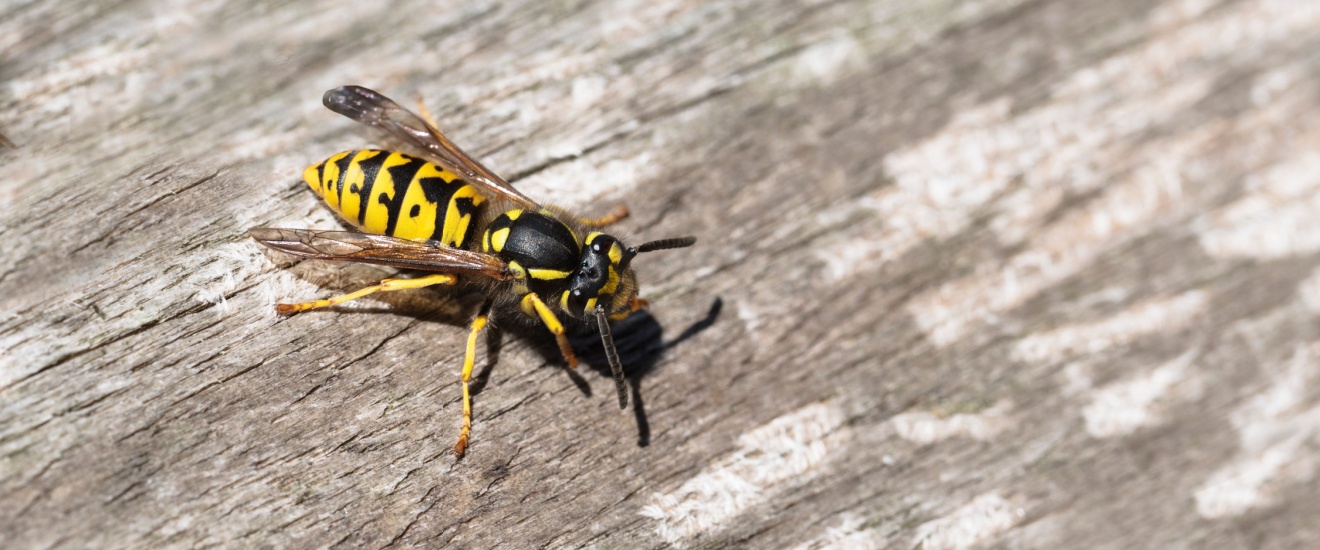
Yellowjackets are a manageable nuisance for much of the summer, but something changes as the season winds down. By late summer, they often turn noticeably more aggressive around Oak Harbor homes, showing up at picnics and garbage cans and sometimes stinging with little provocation. This shift has a clear biological cause, and understanding it helps homeowners stay safe during the riskiest part of the season. Our pest control in Oak Harbor team sees this pattern every year.
Colonies Reach Their Peak
A yellowjacket colony grows throughout the spring and summer, starting from a single queen and building to thousands of workers by late summer. As the colony reaches its largest size, there are simply more yellowjackets around, and more of them out foraging at once. A nest that went unnoticed earlier in the year becomes far more obvious when it holds its peak population. The sheer number of insects raises the odds of an encounter, both around the nest and out in the yard where they forage.
A Shift in Food Sources
Earlier in the season, yellowjackets feed largely on insects and other protein to nourish their developing young. As the colony matures and the queen stops producing new workers, that demand changes, and the insects begin seeking out sugars and carbohydrates instead. This is when yellowjackets start showing up around soda cans, fruit, sweet drinks, and trash. The change in diet draws them directly into the spaces where people eat and gather outdoors, which is why they seem to appear from nowhere at the end of summer.
More Contact With People
The combination of a peak population and a taste for the food at outdoor gatherings puts yellowjackets in close contact with people just as their numbers are highest. Late-summer barbecues, outdoor meals, and open garbage cans become gathering points for foraging yellowjackets. With so many insects competing for food, they grow bolder and quicker to react. What felt like a minor presence in July can feel like a constant problem by September, when the yard seems to fill with foraging yellowjackets.
Why They Sting More Readily
As natural food becomes scarcer and the colony feels the pressure of the changing season, yellowjackets become more defensive and easily provoked. They will sting to protect their nest and their food, and unlike honeybees, a single yellowjacket can sting multiple times. Swatting at them or disturbing a hidden nest can trigger a rapid, aggressive response from many insects at once. This is what makes late summer a dangerous time for stings.
Staying Safe Late in the Season
During this period, it helps to keep food and drinks covered outdoors, secure garbage, and avoid swatting at yellowjackets that come near. Most important, a nest on the property should never be approached or disturbed, since a late-summer colony can respond with overwhelming numbers. A trained technician can locate and remove a nest safely, even when it is hidden underground or in a wall. To handle an aggressive yellowjacket problem before someone is stung, contact us for professional help.