
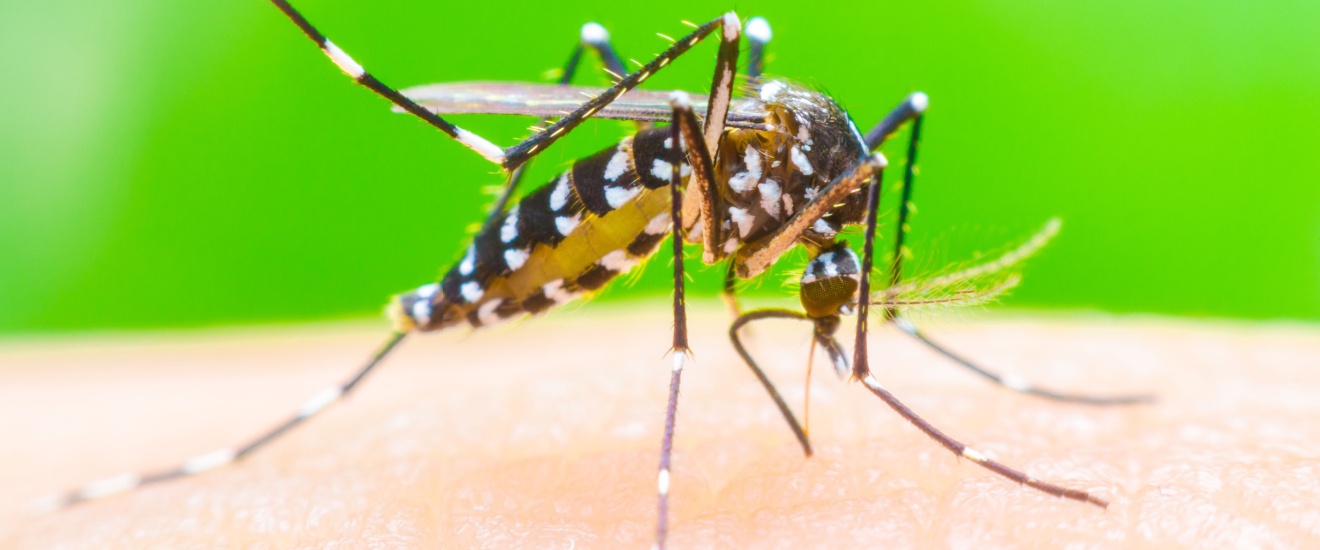
Whidbey Island residents know the frustration of a summer evening cut short by biting mosquitoes. These insects are a common problem here because the local environment helps them thrive. Our mosquito control service addresses the problem directly, but it helps to understand what makes this area such a comfortable home for mosquitoes in the first place. So why are mosquitoes so bad on Whidbey Island? The answer comes down to a combination of climate, water, and habitat that few other regions can match.
A Marine Climate Built for Mosquitoes
Whidbey Island sits in a cool, wet marine climate, with frequent rain and high humidity through much of the year. Mosquitoes depend on moisture to survive, and the damp conditions here allow adults to live longer and stay active over a long season that stretches from spring well into fall. Mild temperatures rarely get cold enough for long enough to knock populations back the way a hard freeze does in other parts of the country. The result is a climate that supports mosquitoes for months at a time.
Standing Water Is Everywhere
Mosquitoes cannot reproduce without standing water, and Whidbey Island offers it in abundance. Wetlands, ponds, drainage ditches, marshes, and low-lying areas hold water long enough for mosquito larvae to develop. A female mosquito lays her eggs in or near standing water, and the larvae mature into biting adults in a little over a week. With so many natural and man-made water sources across the island, the breeding opportunities are nearly endless.
Wetlands, Marshes, and Tidal Areas
The island is surrounded by water, and its many wetlands and tidal marshes create ideal breeding grounds. Salt-marsh mosquitoes thrive in the pools that form near tidal flats, while freshwater species take advantage of ponds and marshy ground inland. These wet areas produce large numbers of mosquitoes that then move into nearby neighborhoods to feed. Homes located close to this kind of terrain often see the heaviest activity.
Vegetation Provides Shelter
Adult mosquitoes need places to rest during the heat of the day, and the dense shrubs, tall grass, and shaded, moist vegetation common on Whidbey Island give them exactly that. Cool, damp foliage protects mosquitoes from drying out and gives them a base close to the people and animals they feed on. A property surrounded by heavy landscaping and shade can hold far more mosquitoes than an open, sunny one.
Getting Ahead of the Problem
Because so many of these conditions are simply part of living on Whidbey Island, keeping mosquitoes under control takes more than a citronella candle. Professional treatment targets both the standing water where mosquitoes breed and the shaded areas where adults rest, reducing the population across the property rather than swatting at one insect at a time. Harbor Pest Control understands the local conditions that drive mosquito activity in this area and treats each property with those factors in mind. To take back your yard this season, request a free estimate and let our team build a plan suited to your home.