
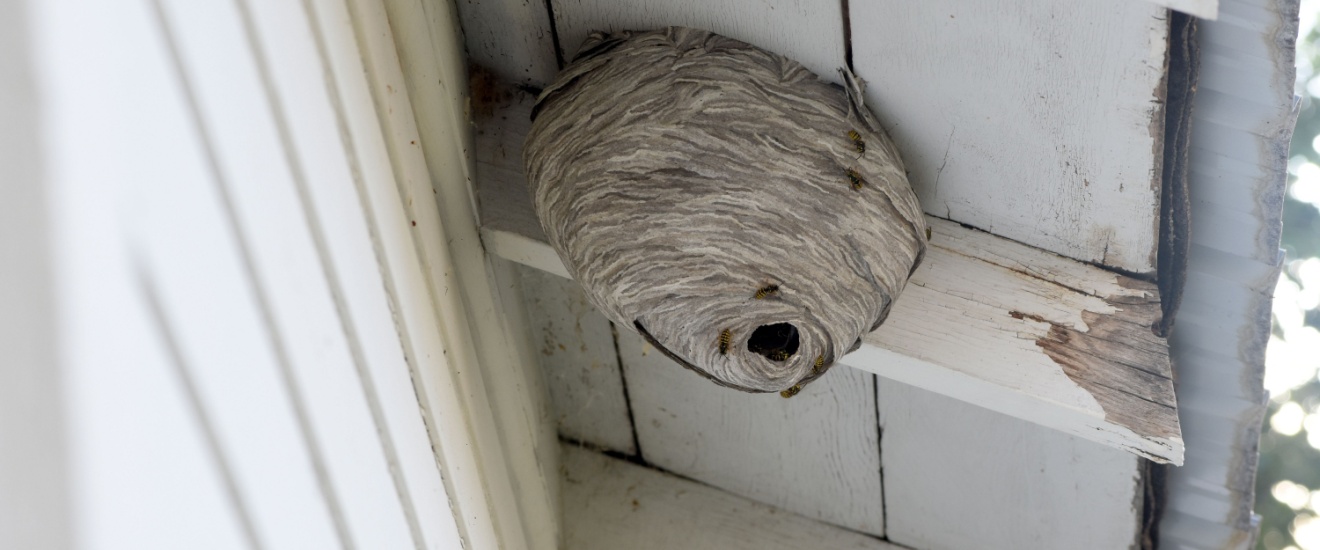
Wasps are clever nest builders, and Oak Harbor homes provide plenty of hidden spots for them to settle. From rooflines and attics to shrubs and fences, these insects create colonies that often go unnoticed until stings become a real risk. For families, understanding wasp control for Oak Harbor homeowners means knowing where nests form and why calling in trusted experts is the safest way to protect your property.
Shelter Spots Along Rooflines
Eaves and rooflines act like natural shelters, giving wasps a dry, shaded ledge to anchor their papery nests. Because these areas are elevated, colonies can grow unnoticed until they’re large enough to cast shadows or drop debris. Homeowners often discover them when cleaning gutters or painting trim, making these nests both hidden and hazardous. Regular roofline checks are one of the simplest ways to stay ahead of infestations.
Wasps nesting under eaves can also interfere with routine maintenance. For example, nests near gutters may discourage homeowners from cleaning them, leading to water damage or leaks. In some cases, nests positioned close to attic vents can even allow wasps to slip indoors. This makes roofline inspections not just a pest control step but also a way to protect the overall structure of your home.
Hidden Hazards in Attics and Crawl Spaces
Attics and crawl spaces are quiet, undisturbed zones that wasps find irresistible. A small gap in a vent or soffit is all they need to slip inside and begin building. Once established, nests here can thrive for months without detection, creating a hidden hazard above your living space. Seasonal inspections of these tucked‑away areas help ensure wasps aren’t quietly expanding overhead.
The danger of attic or crawl space nests is that they often go unnoticed until the colony is large. Wasps inside these areas may chew through insulation or use wiring as anchor points, creating secondary risks. Because these spaces are rarely accessed, homeowners should consider pairing seasonal inspections with professional pest evaluations to catch hidden colonies before they spread.
Camouflaged Colonies in Shrubs and Trees
Wasps often take advantage of dense greenery because it provides natural camouflage and protection from wind. These nests can be difficult to spot until outdoor activity disturbs them, which is why landscaping areas deserve close attention. Each type of plant or structure offers unique risks:
- Entryway Shrubs as Hidden Havens: Wasps favor shrubs close to doors and walkways because they provide cover while still being near human activity.
- Low Branches Over Gathering Spaces: Branches that hang at eye level or over patios are prime nesting spots.
- Fence‑Line Hedge Corridors: Thick hedges create hidden corridors where nests can thrive undisturbed.
- Secluded Garden Corners: Wasps exploit tucked‑away corners where plants overlap, making nests harder to detect.
- Bushes Beside Patios and Decks: Wasps are drawn to bushes that border outdoor living spaces.
Nests in Fences, Decks, and Outdoor Structures
Wooden fences, decks, and sheds provide crevices and sheltered angles where wasps can attach nests. Because these structures are often used daily, nests here pose a higher risk of accidental encounters. A colony tucked under a deck rail or inside a shed corner can quickly turn routine outdoor chores into dangerous situations. Sealing gaps and inspecting these structures regularly helps reduce the chance of wasps settling in.
Wasps nesting in fences or decks often take advantage of weathered wood, cracks, or gaps where boards meet. Over time, these nests can weaken the structure by trapping moisture or encouraging deterioration. In sheds or garages, nests may form near stored tools or equipment, creating hazards during everyday use. Addressing these vulnerabilities not only prevents wasps but also extends the life of outdoor structures.
Garages and Storage Spaces
Garages often provide the perfect environment for wasps to establish colonies. The combination of quiet corners, exposed beams, and cluttered storage creates sheltered spaces where nests can grow unnoticed. Homeowners may only discover them when reaching for tools, holiday decorations, or sports equipment, making these encounters both surprising and dangerous. Because garages are frequently accessed, nests here pose a higher risk of accidental disturbance, which can trigger aggressive swarming.
The presence of wasps in garages can also interfere with daily routines and damage stored belongings. Colonies may chew through cardboard boxes or attach nests to shelving, leaving behind debris and weakening structures. Their activity can discourage homeowners from using the space comfortably, turning a functional area into a hazard zone. Regular inspections and sealing gaps around garage doors or vents help reduce the likelihood of wasps settling in these overlooked areas.
Play Areas and Outdoor Furniture
Wasps are often drawn to spaces where families spend time outdoors, including playsets, swing sets, and patio furniture. These structures provide shaded crevices and stable surfaces for nest building, while the constant presence of people increases the risk of painful encounters. A nest tucked under a slide or inside a hollow chair can remain unnoticed until activity disturbs it, creating a dangerous situation for children and guests.
Colonies in recreational areas can quickly disrupt outdoor living. Wasps defending their nests may swarm during barbecues, pool parties, or casual evenings on the deck, turning leisure time into a stressful experience. In addition to the sting risk, nests in these areas can damage furniture or equipment by leaving residue and weakening materials. Homeowners can reduce these hazards by inspecting outdoor play structures and furniture regularly, especially during warmer months when wasps are most active.
How to Handle Wasp Nests
Managing wasp nests requires both prevention and safe handling. Seal cracks around rooflines, maintain screens on vents, and trim back dense vegetation near your home. Outdoor inspections during spring and summer are especially important, since this is when wasps are most active in building new colonies.
If you do spot a nest, avoid handling it yourself—wasps defend their colonies aggressively, and a single disturbance can trigger dozens of stings. Calling in trained specialists ensures safety, eliminates the risk of regrowth, and keeps the colony from returning. At Harbor Pest Control, our licensed technicians provide safe, effective strategies tailored to Oak Harbor’s unique conditions. Whether nests are tucked under eaves, hidden in attics, or concealed in your landscaping, we’ll resolve the problem and put long‑term protection in place. Reach out to Harbor Pest Control now if you discover a nest—immediate removal is the safest option.