
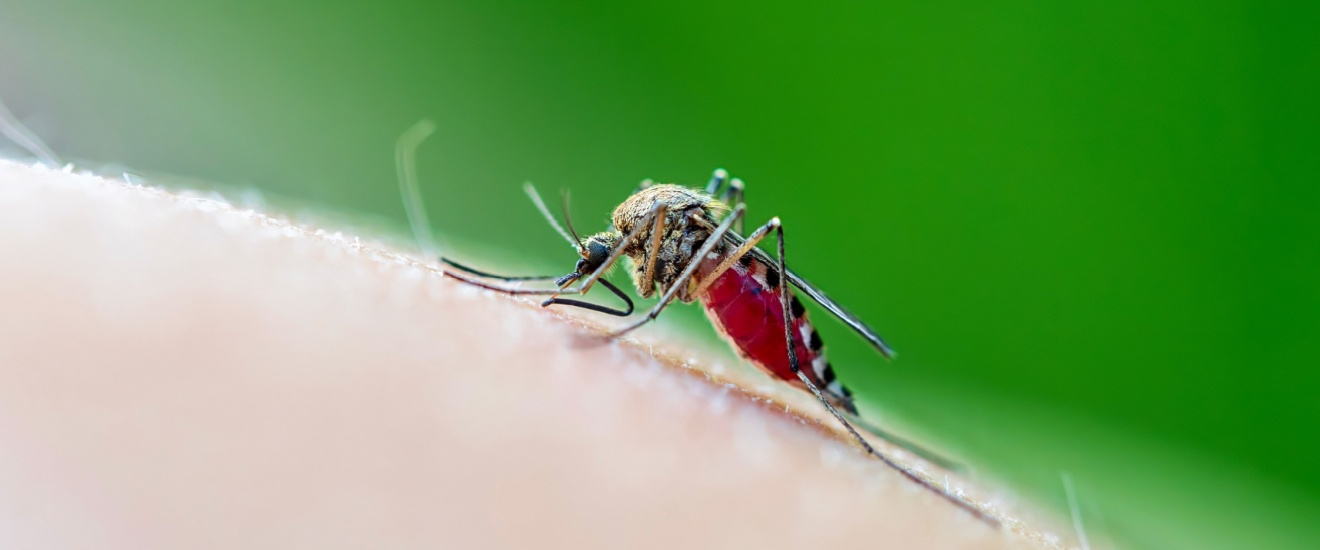
Waterfront living on Whidbey Island offers some of the best views in the Pacific Northwest, along with a heavier mosquito burden than most inland homes face. If it seems like the mosquitoes are worse near the water, that impression is accurate. The same features that make a waterfront property desirable also make it especially attractive to mosquitoes. Our Whidbey Island pest control service sees this pattern across shoreline homes throughout the area.
Water Is a Breeding Magnet
Mosquitoes need standing water to reproduce, and waterfront properties are surrounded by it. Beyond the open water itself, the edges of ponds, inlets, and drainage areas hold the still, shallow water where mosquitoes prefer to lay their eggs. Low-lying ground near the shore drains slowly and stays wet, and rain collects in the many nooks of a waterfront landscape. All of this gives mosquitoes far more breeding opportunity than a typical inland lot, and it means a shoreline yard can produce mosquitoes even when the homeowner keeps it tidy.
Tidal Marshes and Salt-Marsh Mosquitoes
Much of Whidbey Island’s shoreline includes tidal flats and salt marshes, and these produce their own kind of mosquito. Salt-marsh mosquitoes breed in the shallow pools left behind as tides recede, and they can emerge in large numbers. These species are also strong fliers capable of traveling a considerable distance to feed, so even homes set back some distance from a marsh can see heavy activity throughout the season. For properties near tidal areas, this adds a source of mosquitoes that inland homes never deal with.
Humidity and Shelter Near the Shore
The air near the water tends to stay humid, and that humidity helps adult mosquitoes survive longer and remain active. Shoreline properties often feature dense vegetation, tall grasses, and shaded plantings that hold moisture and give mosquitoes cool, damp places to rest during the day. This combination of steady humidity and abundant shelter allows mosquito populations to build and persist close to the home.
Why Waterfront Homes Need a Different Approach
Because waterfront properties face more breeding sites, more shelter, and species that travel in from nearby marshes, they usually need more consistent treatment than inland homes. Much of the surrounding water cannot be drained or altered, so the focus shifts to treating the resting areas on the property, managing the standing water that can be controlled, and maintaining regular service to counter the mosquitoes that continually arrive. A one-time effort rarely holds up against the steady supply of mosquitoes a shoreline setting provides, so consistency is what keeps a waterfront yard usable.
Protecting a Waterfront Property
Enjoying a waterfront home on Whidbey Island does not have to mean surrendering the yard to mosquitoes. Professional treatment tailored to the property’s water features, vegetation, and exposure keeps the population in check across the season. Harbor Pest Control understands the particular challenges shoreline homes face in this area and plans treatment accordingly. Starting early in the season and maintaining treatment through the fall gives shoreline homes the most consistent results. To protect your waterfront property, request a free estimate and let our team evaluate your home and its exposure to the water.