
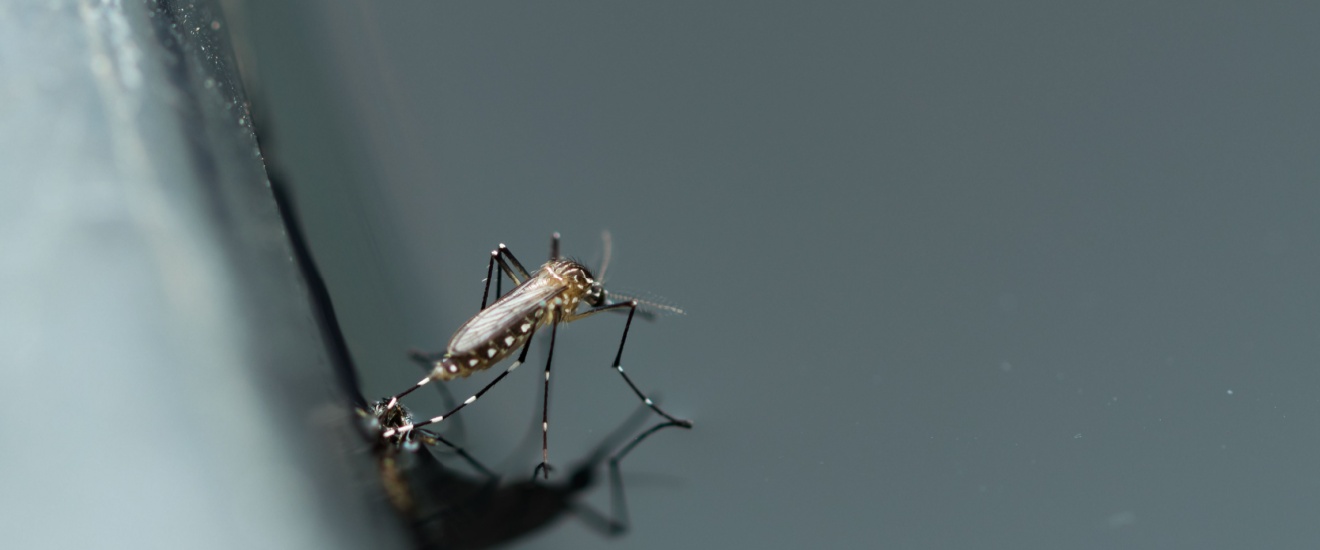
Standing water is the single most important factor behind any mosquito problem. A female mosquito needs only a small amount of it to lay hundreds of eggs, and those eggs can develop into biting adults in a little over a week. This is why effective mosquito prevention in Whidbey Island homes begins with finding and removing the water sources around your home. Our mosquito control service targets these breeding sites directly, but homeowners can reduce their own risk by understanding where mosquitoes reproduce.
How Mosquitoes Use Standing Water
Mosquitoes do not breed in moving water or dry ground. They rely on still, standing water, where a female can deposit her eggs and the larvae can develop undisturbed. Even water that sits for only a few days can produce a new generation, which is why frequent rain makes prevention an ongoing task. Because a single container can breed hundreds of mosquitoes, the total number of insects a property produces adds up quickly when several water sources are present.
Common Sources Around the Home
Many mosquito breeding sites are ordinary features of a yard that go unnoticed. Common sources of standing water include:
- Clogged gutters that hold water after rain
- Buckets, watering cans, and empty planters
- Tarps, trash can lids, and toys that collect rainwater
- Birdbaths and pet water bowls that are not refreshed
- Plant saucers and decorative containers
- Low spots in the yard where water pools
Emptying, covering, or refreshing these regularly removes many of the places mosquitoes rely on to reproduce.
Water You Might Overlook
Some breeding sites are easy to miss. Corrugated drain pipes, French drains, and irrigation boxes can hold water out of sight. Dense ground cover and thick vegetation can hide small pools, and even the folds of a tarp or the base of a potted plant can collect enough water to matter. On Whidbey Island, where rain is frequent and drainage is not always quick, these hidden pockets refill often and stay wet for long stretches, giving mosquitoes repeated chances to breed.
Why Removing Water Is Not Always Enough
Eliminating standing water is an important step, but it rarely solves a mosquito problem on its own. Natural water sources such as ponds, wetlands, ditches, and marshy ground cannot be drained, and mosquitoes readily travel from these areas onto nearby properties. Adults also rest in shaded vegetation between feedings, out of reach of any effort to remove water. For a property near these conditions, homeowner prevention reduces the problem but seldom eliminates it.
Combining Prevention With Professional Treatment
The most effective approach pairs the water removal a homeowner can do with professional treatment that reaches what they cannot. A trained technician treats standing water that cannot be drained, targets the areas where adult mosquitoes rest, and monitors the property for new breeding sites over the season. Harbor Pest Control combines these steps to reduce mosquito activity around Oak Harbor and Whidbey Island homes. To protect your property this season, request a free estimate and let our team assess your yard.