
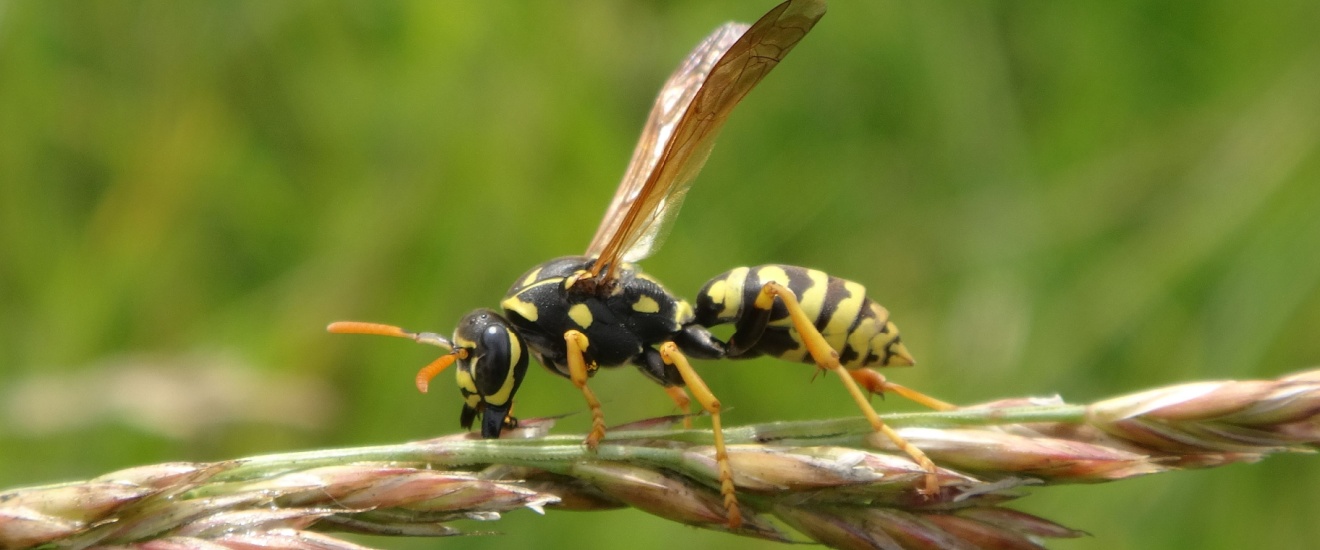
Yes, wasps are a significant problem for Oak Harbor homeowners. The area’s mild coastal climate and steady moisture create ideal conditions for nests to form around homes, yards, and outdoor structures. This makes Oak Harbor wasp control an important service for families who want to enjoy their outdoor spaces without the constant risk of stings. By understanding the risks these stinging insects pose—and knowing when professional help is necessary—you can keep your property safe and comfortable.
Why Are There So Many Wasps in My Yard?
Oak Harbor’s environment naturally attracts wasps. Mild temperatures, steady rainfall, and abundant food sources make yards, gardens, and outdoor structures prime nesting spots. These conditions allow colonies to thrive and expand quickly, often leading to recurring activity around homes. Without consistent prevention, wasps will continue to establish nests and return season after season.
In addition to climate, neighborhood landscapes often provide wasps with easy access to food and shelter. Flowering plants, fruit trees, and outdoor gatherings supply nectar and protein, while rooflines, sheds, and wall voids offer protected spaces for nesting. This combination of resources makes residential areas especially appealing to wasp colonies, increasing the likelihood of infestations.
Common Wasps Found in Oak Harbor
Several species are active in the Puget Sound region, each with distinct behaviors and nesting preferences:
- Yellowjackets: Highly aggressive, often nesting underground, in wall voids, or in attics. Attracted to food and sugary drinks, they pose serious risks at outdoor gatherings.
- Paper Wasps: Build umbrella‑shaped nests in sheltered areas like eaves and sheds. Less aggressive than yellowjackets but still dangerous if disturbed.
- Bald Faced Hornets: Larger and territorial, building football‑shaped nests in trees or high structures. Known for attacking in large numbers when threatened.
Understanding the habits of these species helps homeowners recognize potential stinging insect problems early and take steps to protect their property.
Signs of a Wasp Infestation
Wasps often remain unnoticed until their colonies grow large, but there are subtle and not‑so‑subtle indicators that can help Oak Harbor homeowners spot trouble early:
- Unusual nest structures: Instead of just looking for the classic paper-like cone, watch for nests tucked into less obvious places—such as beneath deck railings, inside hollow fence posts, or even behind outdoor light fixtures. These hidden spots allow colonies to expand quietly until activity becomes unavoidable.
- Persistent flight patterns: Wasps often follow predictable routes. If you notice them flying in and out of the same crack in siding, a gap under roof shingles, or a hole in the ground, it’s a strong sign of a nearby nest. Unlike casual foraging, this repeated traffic points to an established colony.
- Territorial swarming: Wasps don’t just sting when provoked—they often hover aggressively to warn intruders away from their nesting zone. If certain areas of your yard suddenly feel “off‑limits” because wasps chase or circle anyone who approaches, it’s likely a nest is hidden nearby.
- Interior buzzing clues: A faint but steady buzzing inside walls, attics, or crawl spaces can indicate a concealed nest. These infestations are particularly concerning because colonies may grow unchecked until wasps begin entering living spaces through vents or cracks, creating direct risks indoors.
By paying attention to these early warning signs, homeowners can catch infestations before they escalate. Recognizing unusual activity or hidden nesting spots helps prevent painful encounters and keeps small problems from turning into full‑scale wasp invasions.
How Wasp Activity Changes by Season
Wasp infestations in Oak Harbor follow predictable seasonal cycles, and each stage brings unique challenges for homeowners. In spring, queens emerge from hibernation and begin building new nests in sheltered areas such as eaves, sheds, or wall voids. At this stage, nests are small and easier to control, but activity often goes unnoticed until colonies expand. By early summer, colonies grow rapidly, and worker wasps become more aggressive as they defend food sources and nesting sites. This is when homeowners start seeing more wasps around outdoor meals, gardens, and trash bins, making summer one of the most problematic times for infestations.
As late summer transitions into fall, food scarcity drives wasps to seek out human activity even more aggressively. Trash bins, fruit trees, and outdoor gatherings become prime targets, and colonies often display heightened territorial behavior. This is the season when homeowners are most likely to experience swarming or repeated stings, especially during outdoor events. Wasps may also become more persistent in defending their nests, making removal attempts particularly dangerous without professional help. Their increased aggression in fall highlights the importance of preventive measures taken earlier in the year.
Winter does not mean complete relief from wasp problems. While most colonies die off with the cold, fertilized queens survive by sheltering in protected spaces such as attics, crawl spaces, or wall voids. These queens remain dormant until spring, when they emerge to start the cycle anew. This seasonal rhythm explains why wasp problems return year after year in Oak Harbor unless preventive steps are taken. By understanding these patterns, homeowners can anticipate activity, act early, and reduce the risk of colonies growing too large or becoming aggressive.
Protecting Families from Harm
Wasps may start as a minor nuisance, but their presence around Oak Harbor homes can quickly escalate into a serious safety issue. Children, pets, and visitors are especially vulnerable to painful stings, and colonies often grow larger than expected when left unchecked. A nest tucked under an eave or hidden in a wall void can turn everyday outdoor activities into stressful encounters, disrupting the comfort of your home.
Harbor Pest Control provides the dependable solution families need. Our licensed team removes nests safely, identifies the conditions that attract wasps, and puts preventive measures in place to stop colonies from returning. With our help, your home stays a safe place to live, gather, and relax—free from the constant worry of stings. Contact Harbor Pest Control today for professional wasp control in Oak Harbor, WA, and get the local solution to one of the area’s most persistent pest problems.