
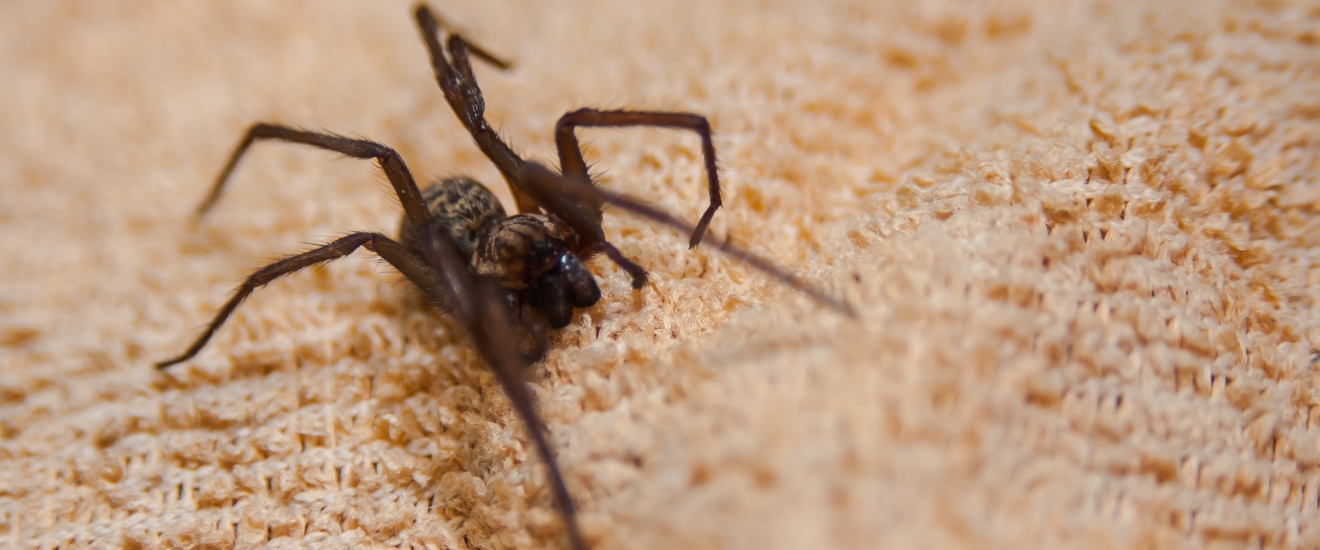
A large spider crossing your living room in September can make it seem as though the entire outdoor spider population has discovered your house. Around Oak Harbor, many fall sightings involve house spiders that already live in buildings, with mature males becoming more visible as they search for mates. Other spiders arrive through open doors, damaged screens, or items carried inside. Our spider control services start with identifying the spider and examining the conditions behind those sightings so we can recommend a response that fits your home.
Fall Changes How You Notice Spiders
Spiders spend much of their lives tucked into protected spaces. Depending on the species, they may build webs behind stored items, along garage edges, or in undisturbed corners. A spider can remain close to the same shelter for a long time while you go about your routine. When a mature male begins moving through a building in search of a female, that hidden activity suddenly becomes visible.
This seasonal movement helps explain why a spider may appear in the middle of a hallway or bathtub. Smooth tub walls can trap a wandering spider after it falls in. The location of the sighting can be separate from the location of its usual shelter. A single spider in the bathroom provides limited information about where others might be living, so repeated observations are more useful than assumptions based on one encounter.
Outdoor spiders also become conspicuous as they mature. Orbweavers can build substantial webs near porch lights, garden plants, and eaves. Those webs often catch your attention in autumn light or after rain. Increased visibility outside and wandering house spiders inside can happen during the same season, creating the impression of one coordinated move into the house.
Which Parts of a Home Provide Shelter?
Garages offer several conditions spiders can use: protected corners, boxes that stay in place, and insects that enter through frequently opened doors. A garage connected to the house also provides opportunities for occasional movement into laundry rooms or hallways. Look around the sides of storage shelves and the edges of the overhead door before deciding that activity originates in a living area.
Crawl spaces and utility areas can support spider activity when insects and protected hiding places are available. During an inspection, we check plumbing openings, loose access covers, and gaps around utilities. Moisture can contribute indirectly by supporting some of the insects spiders eat. Repairing a leak or improving a moisture problem may therefore change the conditions supporting several pests at once.
Inside occupied rooms, spiders often use areas that receive little disturbance. The space behind a headboard, the underside of furniture, and corners behind curtains may escape regular cleaning. Moving furniture carefully and cleaning these edges makes it easier to see whether webbing is returning to the same locations.
How Outdoor Spiders Reach Indoor Spaces
An open door provides a simple route for an accidental visitor. Garage doors left up while you work, worn door sweeps, and torn window screens also create openings for insects and spiders. On Whidbey Island, the transition between indoor rooms and outdoor storage can be especially relevant when you move patio cushions, gardening supplies, or seasonal decorations under cover.
Inspect those items before bringing them into the house. Brush away visible webs outdoors, check folds and undersides, and move stored goods in manageable groups so you can see what you are carrying. A spider hidden under a planter or inside a folded cover may arrive with the object itself. This is a different situation from a house spider that has been living behind a cabinet for months.
Exterior lights can concentrate flying insects near an entrance, creating feeding opportunities for spiders nearby. Use lighting where you need it, and consider whether a fixture shines directly beside a frequently opened door. Adjusting its placement or operating schedule can help reduce insect gathering while preserving safe visibility around steps and walkways.
Make Your Routine More Targeted
Start with the places where you actually see spiders. Remove accessible webs with a vacuum attachment or brush, then check the same locations again during ordinary cleaning. Repeated webbing in a protected corner gives us a useful inspection lead. Occasional wandering spiders across several rooms may call for a broader look at resident house spiders and the routes between storage areas and living spaces.
Keep boxes on shelving and leave enough space to clean along walls. Lidded containers make seasonal belongings easier to inspect and reduce the number of open folds and flaps available for shelter. Clearing a garage floor also improves access to the door seal, where daylight or visible wear can reveal maintenance needs.
Check door sweeps, screen frames, and gaps around exterior penetrations. Use repair materials suited to the opening and the building. Vents and drainage paths need to keep functioning, so screening and sealing choices should preserve their intended purpose. If a gap is difficult to assess, a closer inspection can help determine the right correction.
When Repeated Sightings Need a Closer Look
A photograph taken from a comfortable distance can help narrow the identification. Include the web, if one is present, and record the room and approximate size. Several unrelated brown spiders can look similar in a quick glance, especially when legs and markings are blurred. Leave handling to someone equipped to identify and manage the spider safely.
We inspect likely shelter, web locations, insect activity, and accessible entry routes to understand the pattern. Recommendations may include web removal, targeted treatment, exclusion improvements, and changes to storage or moisture conditions. The combination depends on the species and the property. A home with persistent garage webs may need a different approach from one with occasional mature house spiders crossing an upstairs landing.
If fall spider sightings are making rooms uncomfortable to use, schedule an inspection with us. We can help you understand what you are seeing, address active problem areas, and choose practical steps for keeping your Oak Harbor home more comfortable through the season.